
Screen every party, vessel, port, and bank across the trade transaction.
ArgusTrade screens every party, vessel, port, bank, and trade data point throughout the transaction lifecycle. Continuous screening from application through payment ensures every transaction is evaluated against the latest sanctions data with complete auditability.
Why banks use ArgusTrade
Comprehensive trade screening
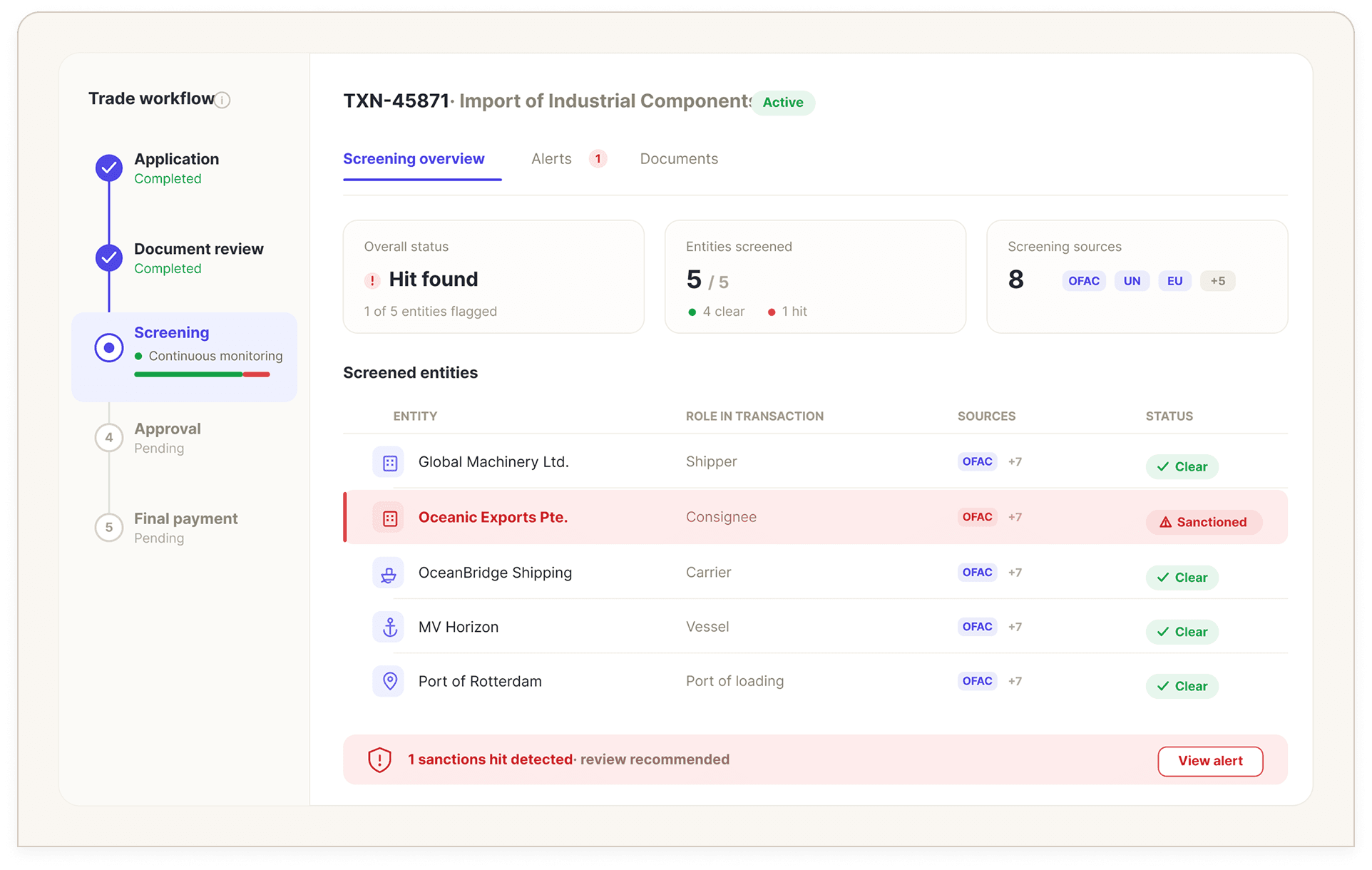
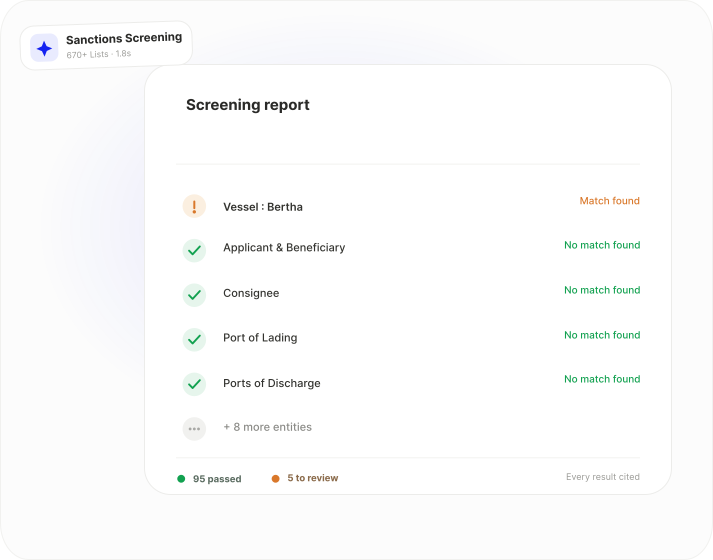
Traditional sanctions screening focuses on applicants and beneficiaries. ArgusTrade screens every party extracted from trade documents, including shippers, consignees, notify parties, carriers, vessels, ports, inspectors, insurers, and every bank involved in the transaction.
Reduce false positives
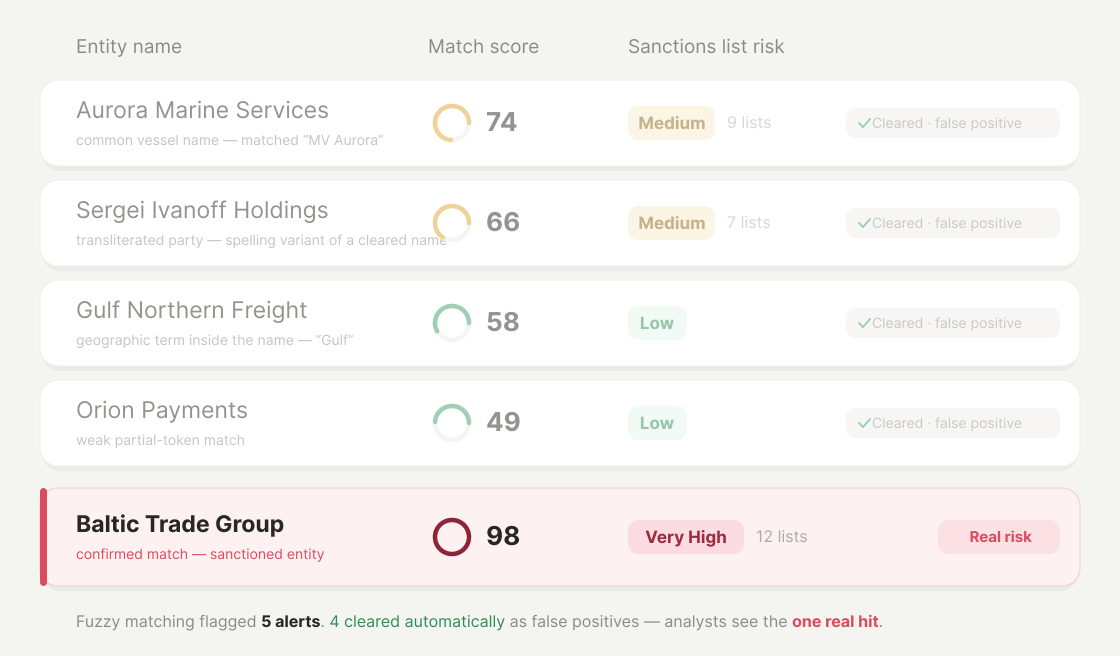
Context-aware matching uses party role, geography, entity type, and identifiers to reduce unnecessary alerts. Low-risk matches are automatically cleared with documented reasoning, while higher-risk matches are routed for review with supporting evidence.
Continuous screening
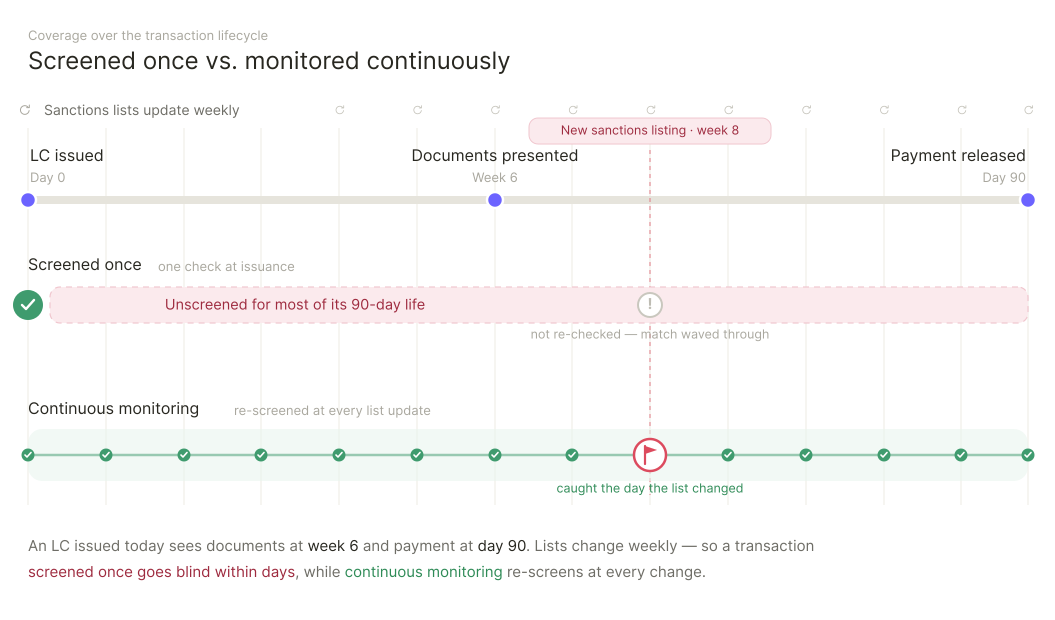
Screening continues throughout the transaction lifecycle. Every document submission, amendment, and sanctions list update automatically triggers re-screening of new and existing transaction data.
Complete audit trail
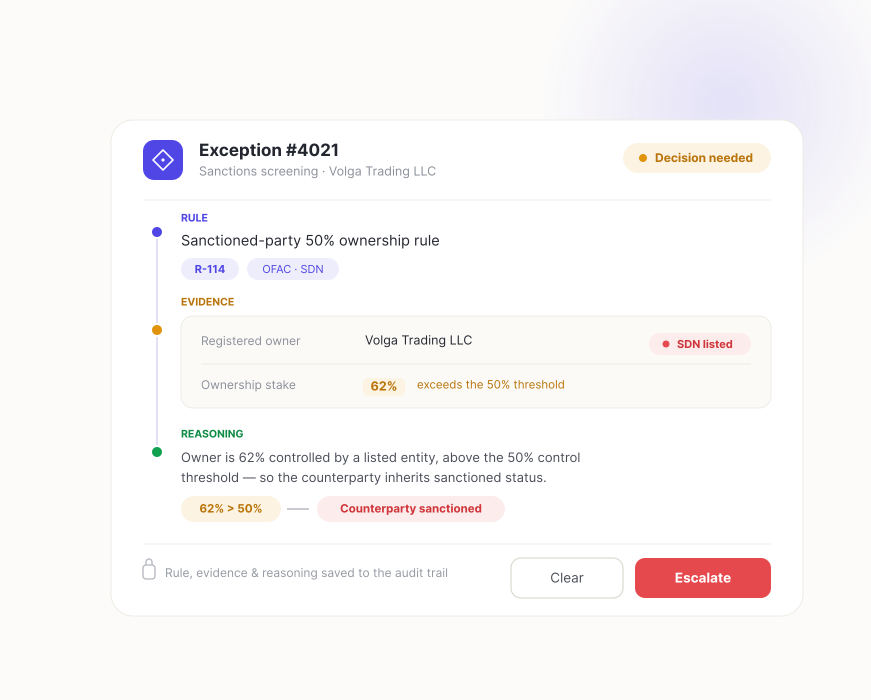
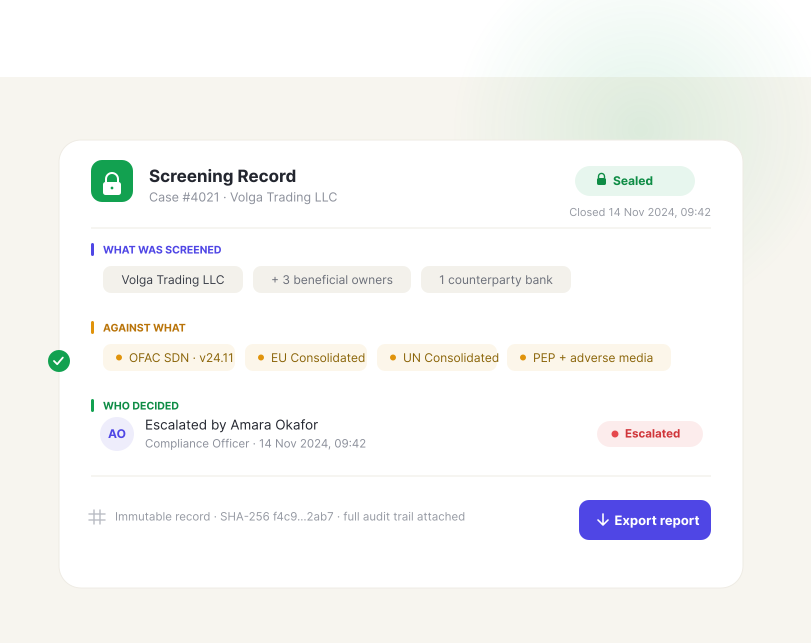
Every screening event records the list version, match score, adjudication rationale, reviewer actions, and final decision, creating a complete transaction-level audit record.
Important sanctions risks appear after LC issuance
Many sanctions screening programs focus on applicants and beneficiaries during onboarding or issuance. Additional parties such as shippers, consignees, notify parties, carriers, vessels, ports, and inspection companies often appear only during document presentation, creating new compliance risks later in the transaction.

Trade participants introduced during presentation
Trade documents introduce additional counterparties that may not have been screened during onboarding or issuance, increasing sanctions exposure.
Risks beyond entity names
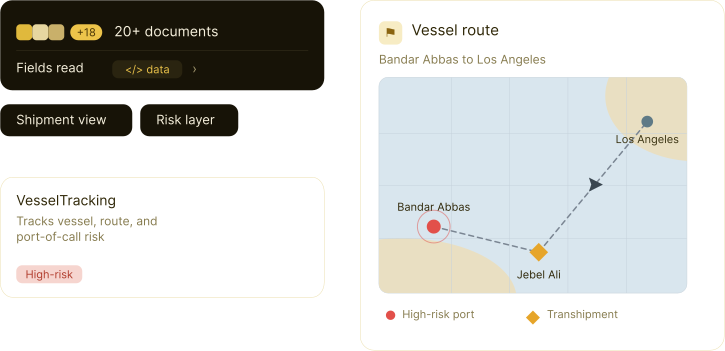
Restricted ports, sanctioned vessels, dark-fleet activity, and high-risk routing cannot be identified through conventional name screening alone.
High false-positive volumes
Traditional fuzzy matching generates unnecessary alerts across vessels, international entities, and geographic names, increasing investigation effort and reviewer fatigue.
Point-in-time screening
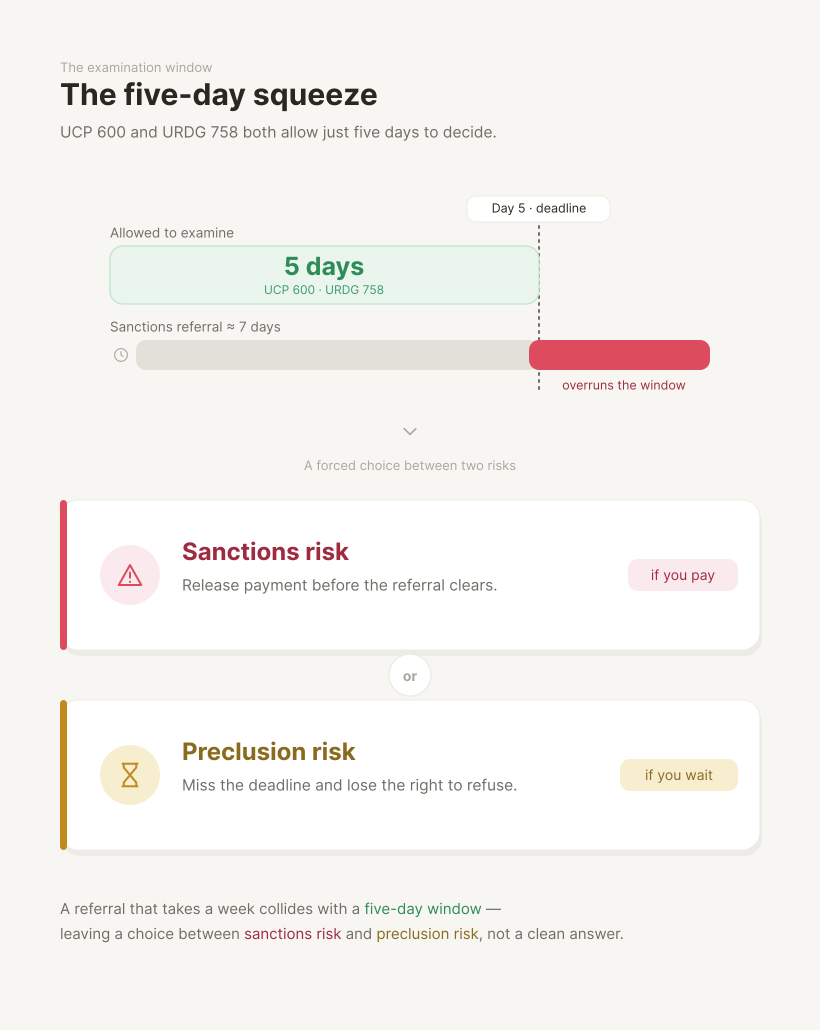
Trade transactions can remain active for weeks or months. Screening performed only at issuance leaves transactions exposed as sanctions lists change.
Time-sensitive compliance
Compliance reviews must be completed within the operational timelines defined by UCP 600 and URDG 758 without delaying document examination or payment.
A stronger sanctions screening program
Broader screening coverage
Automatically screen every extracted party, vessel, port, routing point, and bank across every trade transaction.
Reduce false positives
Reduce false-positive alerts by up to 60% through context-aware matching and documented auto-clearance.
Faster compliance reviews
Run screening during document processing so compliance reviews no longer become a sequential bottleneck for Article 14(b) and Article 20 timelines.
Continuous compliance
Automatically re-screen active transactions whenever sanctions lists change or new trade documents are received.
Standardized investigations
Apply consistent escalation thresholds, approval workflows, and four-eyes review across compliance teams.
Audit-ready evidence
Generate a complete screening history for every transaction, including list versions, matching results, reviewer decisions, and supporting evidence.
Proven results
Everything you need for trade screening
Screening coverage
Automatically extract and screen applicants, beneficiaries, shippers, consignees, notify parties, carriers, agents, inspection companies, insurers, correspondent banks, vessels, ports, routing information, and countries. Screening coverage expands automatically as new information appears in trade documents.
Sanctions lists and reference data
Integrate OFAC, UN, EU, UK HMT, national sanctions lists, and PEP databases required by your compliance policy. Every screening event records the exact list versions used.
Trade documents
- Global Machinery Ltd.Clear
- OceanBridge ShippingClear
- MV HorizonClear
- Oceanic Exports Pte.Match found
- Port of RotterdamClear
Screened against
Matching and adjudication
Apply fuzzy and phonetic matching optimized for trade finance using party roles, geography, entity type, and identifiers such as IMO, BIC, and LEI. Low-risk matches are automatically cleared with documented reasoning, while higher-risk matches are escalated with supporting evidence.
Workflow controls
Configure approval gates at issuance, amendment, document release, and payment. Support maker-checker workflows, four-eyes approval, case management, and complete audit reporting.
Integrated AML risk indicators
Identify trade-based money laundering indicators such as pricing anomalies, irrational routing, counterparty-jurisdiction risks, and unusual trade patterns alongside sanctions screening results.
How it works
Extract and screen
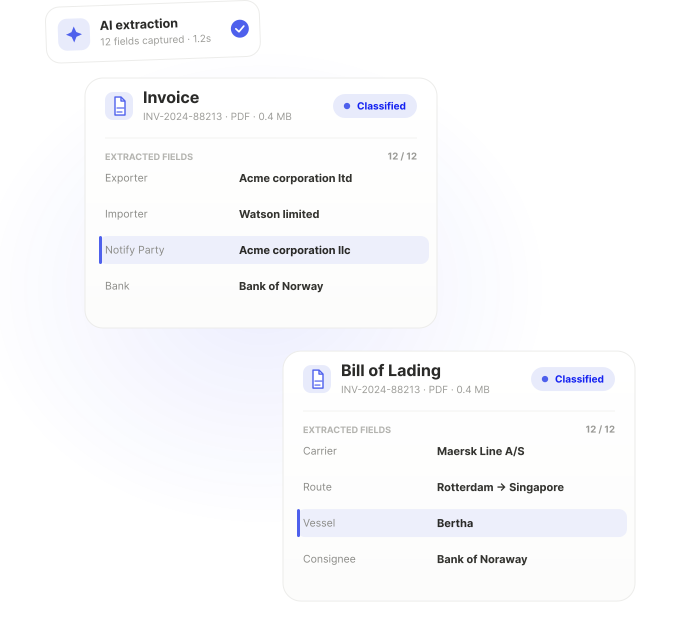
ArgusTrade extracts every party, bank, vessel, port, and routing detail directly from transaction documents. Each entity is screened against your configured sanctions lists and PEP databases, with matching scores and list versions recorded.
Review and control
Context-aware matching automatically clears low-risk alerts while escalating higher-risk matches with supporting evidence. Configurable approval gates prevent progression until required compliance reviews are complete.
Decide and monitor
Compliance teams clear, escalate, or confirm matches. Every document submission, amendment, and sanctions list update automatically triggers re-screening, ensuring transactions remain compliant throughout their lifecycle.
Maintain the audit record
Every screening event, reviewer action, approval, and decision is retained as part of a complete transaction-level audit record that can be reproduced on demand.
See ArgusTrade screen a live trade transaction.
Bring a real trade transaction. We'll show how ArgusTrade screens every party, vessel, port, and bank, reduces false positives with context-aware matching, and provides a complete audit trail from application through final payment.