Why are banks still struggling to serve smaller businesses when the real bottleneck may lie in how trade finance is processed?
The global trade finance gap stands at $2.5 trillion, leaving businesses worldwide unable to secure the financing they need to participate in international trade. Micro, small and medium enterprises (MSMEs) face a disproportionate share of this challenge not necessarily because they are unbankable, but because serving them through traditional trade finance processes can be operationally expensive.
A $25,000 Letter of Credit may require nearly the same documentation, compliance checks and examination effort as a $2.5 million corporate transaction. When processing costs remain relatively fixed while transaction values shrink, smaller deals become harder to serve profitably.
The real question is no longer just who qualifies for trade finance. It is whether banks can process smaller transactions efficiently enough to make them commercially viable.
What you'll discover in this report
- The economics behind the MSME LC gap: Explore why smaller Letters of Credit face disproportionate operational pressure and how processing costs can erode transaction-level margins.
- The cost of documentary discrepancies: Understand how repeated examinations, document mismatches and rework create friction across the LC lifecycle.
- The scale of the rejection problem: Examine reported trade finance rejection rates across enterprise sizes and what they reveal about MSME access to finance.
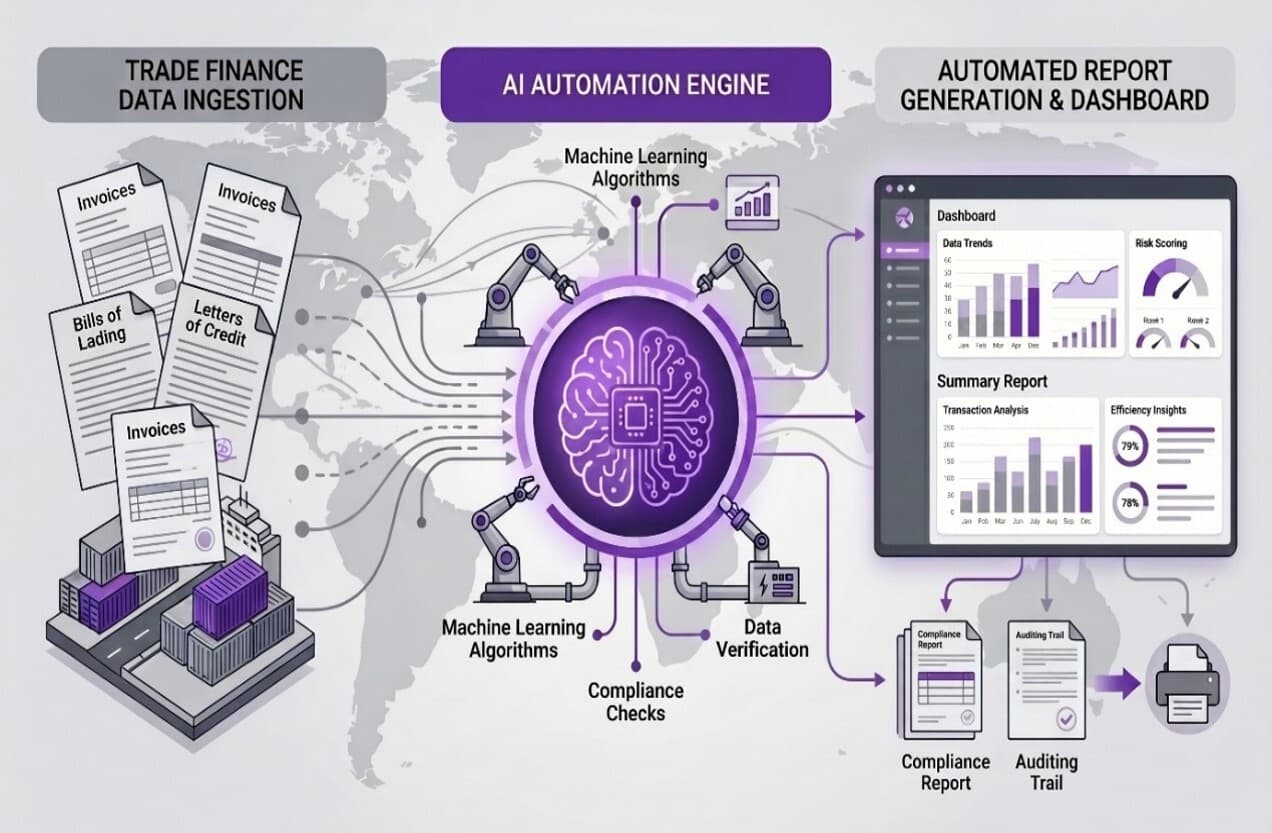
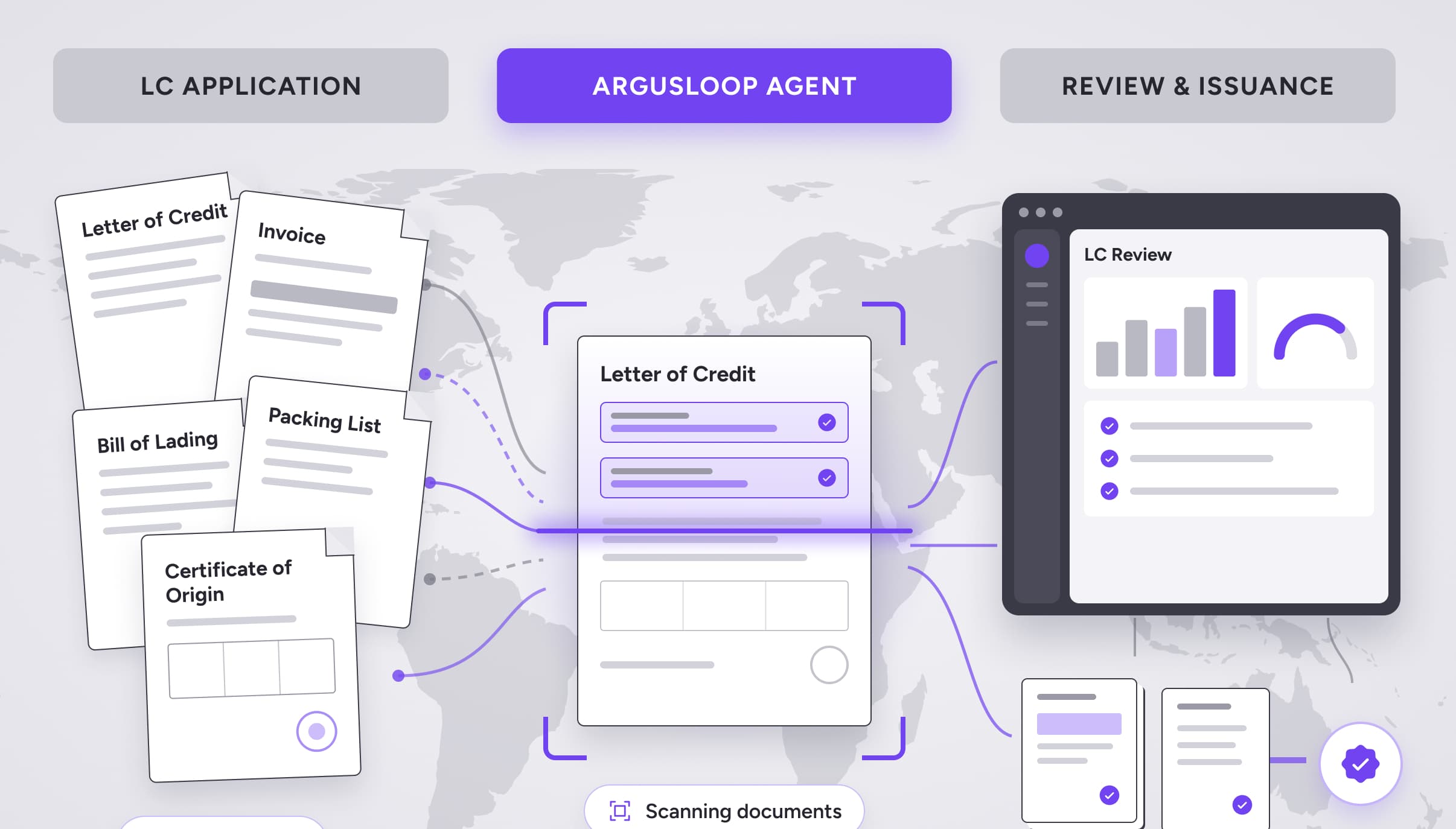
- The shift from manual checks to intelligent automation: Discover how OCR, language-processing capabilities and automated UCP 600 checks can streamline document examination while retaining human oversight.
- The operational case for transformation: Review the report’s benchmarks on processing turnaround, document examination capacity and first-pass accuracy.
- A practical roadmap for banks: Explore how exception-based verification, automated documentary checks and integrated compliance screening can help make smaller-value trade finance more scalable.
Why this matters now
The opportunity is not simply to process documents faster. It is to redesign the economics of trade finance without compromising risk controls.
For transaction banking leaders, trade finance operations teams and compliance professionals, the report examines how intelligent automation can help banks serve more MSMEs, reduce operational friction and unlock opportunities within an underserved market.
Download the full report to explore the data, examine the operational benchmarks and understand what it takes to close the MSME Letter of Credit gap.